Drinks are an essential part of daily life in Vietnam, from strong coffee brewed in tiny metal phin filters to fresh sugarcane juice pressed at roadside stalls. On my first visit, I was immediately struck by how every beverage seemed to tell a story.
Some drinks are at the heart of Vietnam's lively café culture, which took shape during the French colonial era and remains a defining part of city life. Others are best enjoyed from street vendors, in busy markets, or in quiet rural towns.
Along the way, I also discovered traditional teas and local spirits that reflect Vietnam's deep agricultural roots.
Below is my personal guide to some of the most popular Vietnamese drinks I tried or learned about along the way, from iconic coffee creations to refreshing fruit juices, traditional teas, and a few unique local spirits.
Vietnamese Coffee
Vietnam is one of the world's largest coffee producers, and coffee is truly woven into daily life here. Nearly every café and street stall uses a small metal filter called a phin, which slowly drips strong, aromatic coffee into your cup.
The result is bold and concentrated, often mellowed by a generous pour of sweetened condensed milk to balance the intensity.
Over the years, Vietnam's coffee culture has produced several iconic drinks that are absolutely worth seeking out. (I go deeper into this in my guide to Vietnamese coffee.)
Ca Phe Sua Da (Vietnamese Iced Coffee)
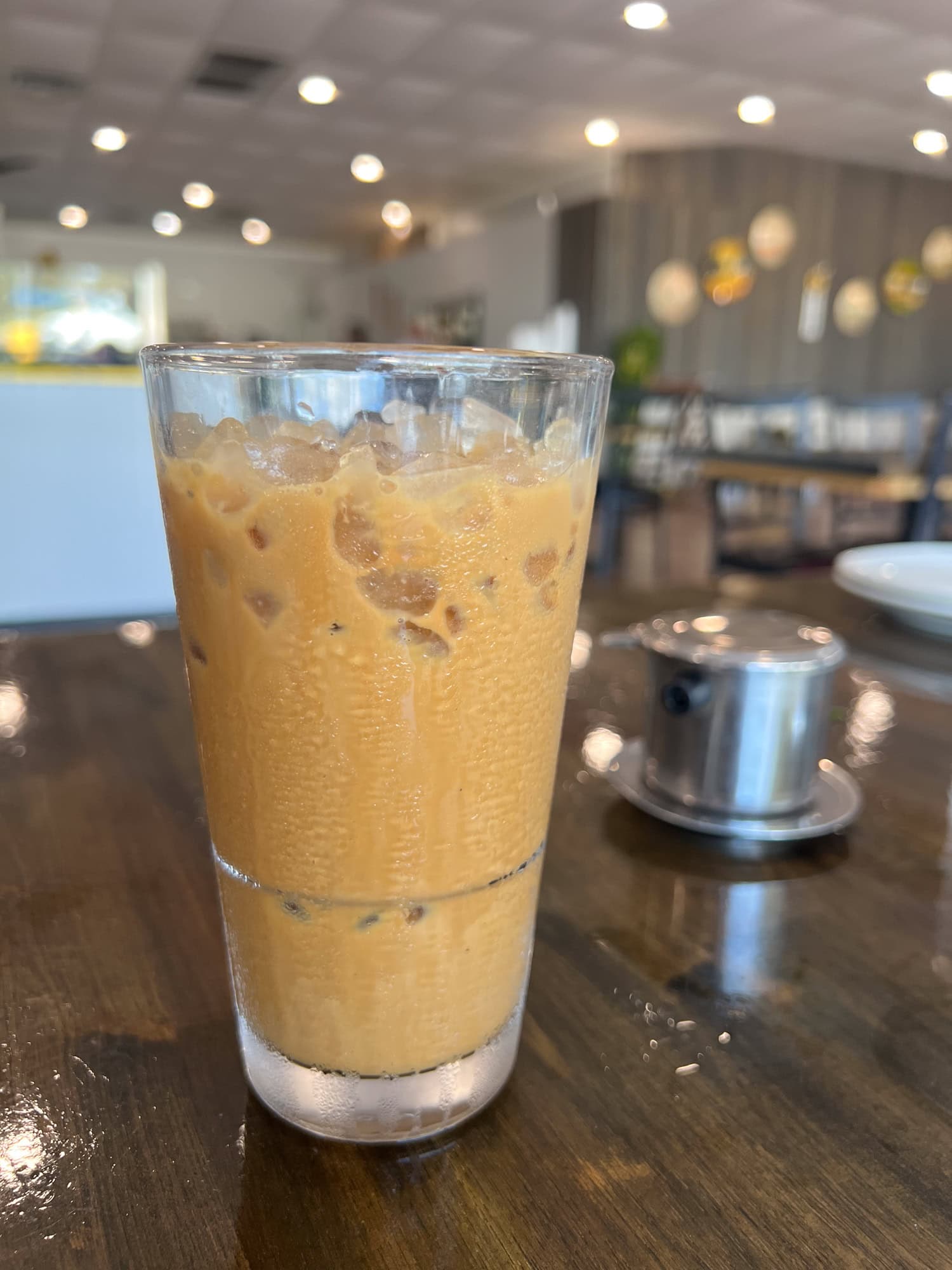
Ca phe sua da is one of the most recognizable Vietnamese drinks, with roots in the French colonial era. When fresh milk was hard to come by, sweetened condensed milk became the go-to, giving this coffee its signature richness.
Ca phe sua da is made by brewing dark-roasted coffee through a small metal phin filter directly into a glass with sweetened condensed milk.
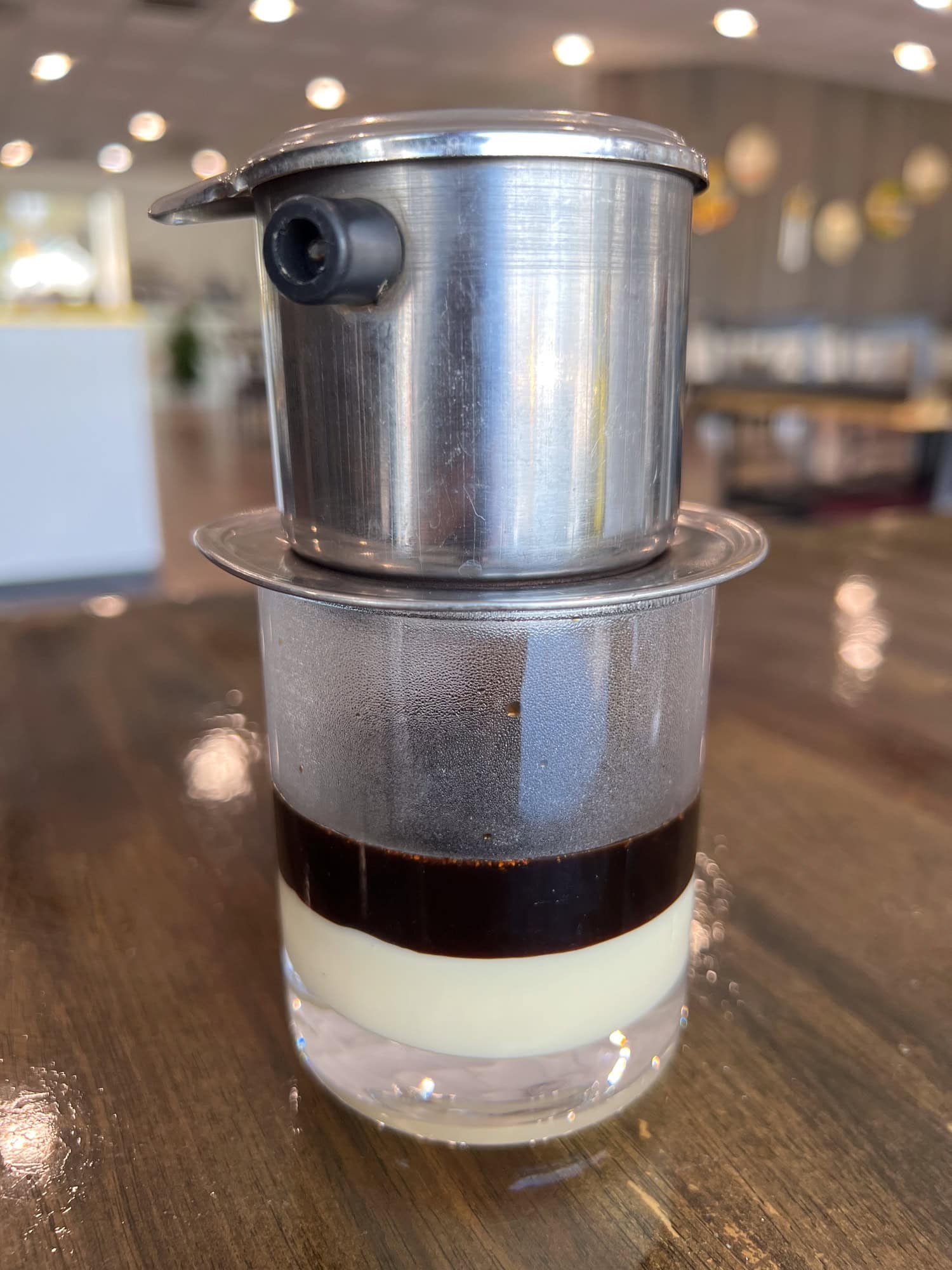
Once the coffee has finished dripping, the mixture is stirred and poured over ice, creating a rich, sweet, and highly caffeinated drink that's especially refreshing on Vietnam's hot afternoons.
The first time I tried it, the sweet, creamy flavor and strong caffeine kick made a lasting impression.
You'll find ca phe sua da in cafés all over Vietnam, and it's also a staple in Vietnamese restaurants around the world. Whenever I want to relive my café days in Saigon, I look for a Vietnamese iced coffee in Austin.
Ca Phe Trung (Egg Coffee)
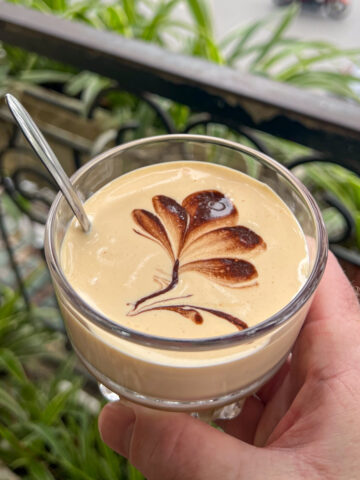
Egg coffee, or ca phe trung, is a Hanoi specialty I first tried on a food tour in Da Nang. It's made with strong Vietnamese coffee topped with a thick, creamy foam of whipped egg yolks, sugar, and condensed milk.
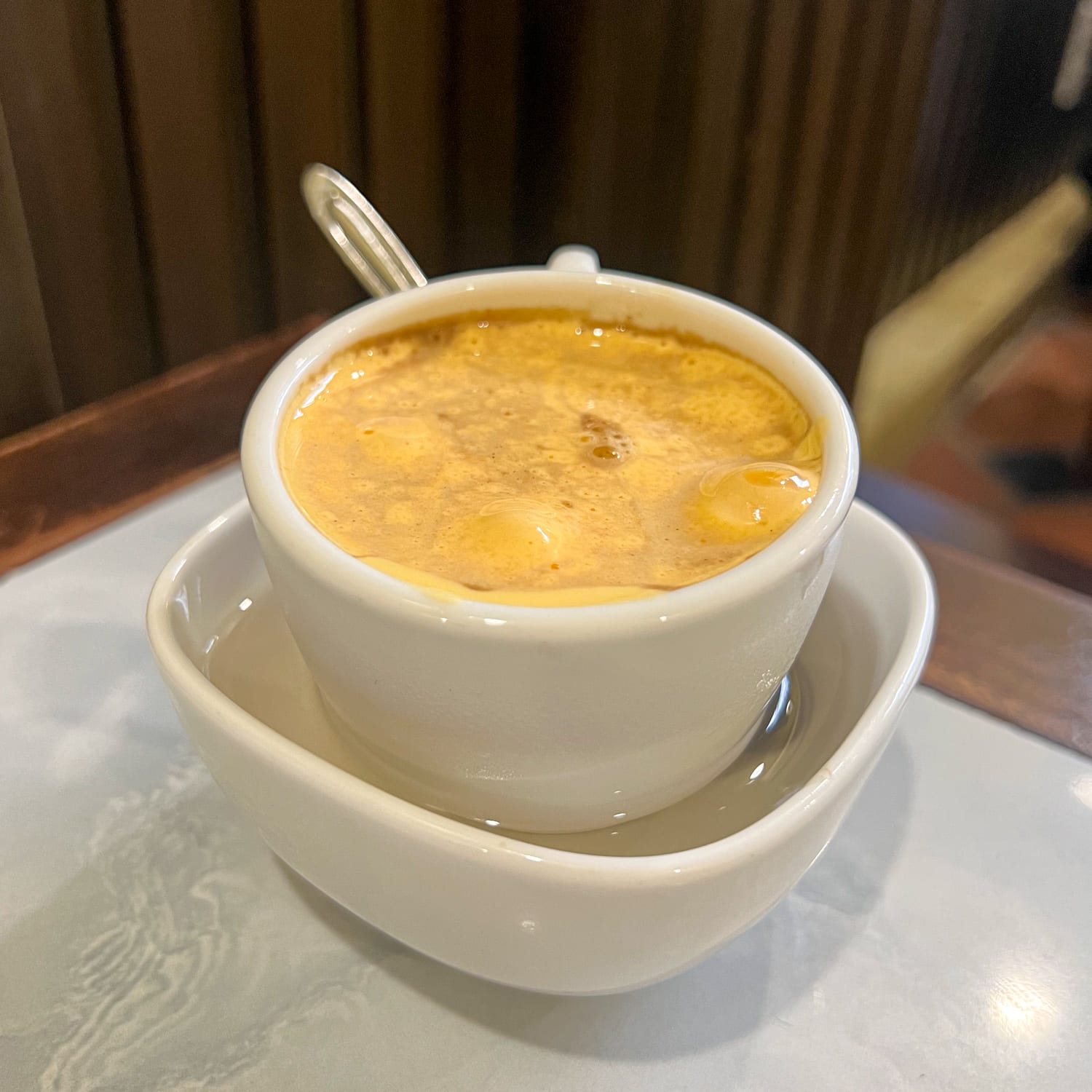
The egg mixture forms a custard-like layer on top, turning the coffee into a rich, dessert-like treat. It's usually served in a small cup set inside a bowl of hot water to keep it warm while you sip.
While exploring cafés in Hanoi, I also came across a cold version of egg coffee-a novel twist on the classic.
Related: Check out my guide to Vietnamese desserts for more sweets.
Bac Xiu (White Coffee)
Bac xiu is especially popular in southern Vietnam. This sweeter, milkier coffee gets its name from the Vietnamese word for "white coffee," thanks to the generous amount of milk compared to coffee.
It's usually made with plenty of sweetened condensed milk and just a splash of strong coffee, making it a lighter, sweeter option for anyone who prefers a gentler coffee flavor.
Non-Alcoholic Vietnamese Drinks
Vietnam's non-alcoholic drinks reflect the country's diverse climate, abundance of fresh ingredients, and rich food culture. Many of these are best enjoyed at street stalls, local markets, or small cafés, and each one plays an essential role in daily Vietnamese life.
Beyond coffee, Vietnam offers a whole world of refreshing drinks to try throughout the day. Many are made with fresh tropical ingredients and are easy to find at street stalls or tucked-away cafés.
Nuoc Mia (Sugarcane Juice)
Nuoc mia, or fresh sugarcane juice, is one of the most common street drinks in Vietnam and is a symbol of the country's agricultural heritage and street food traditions.
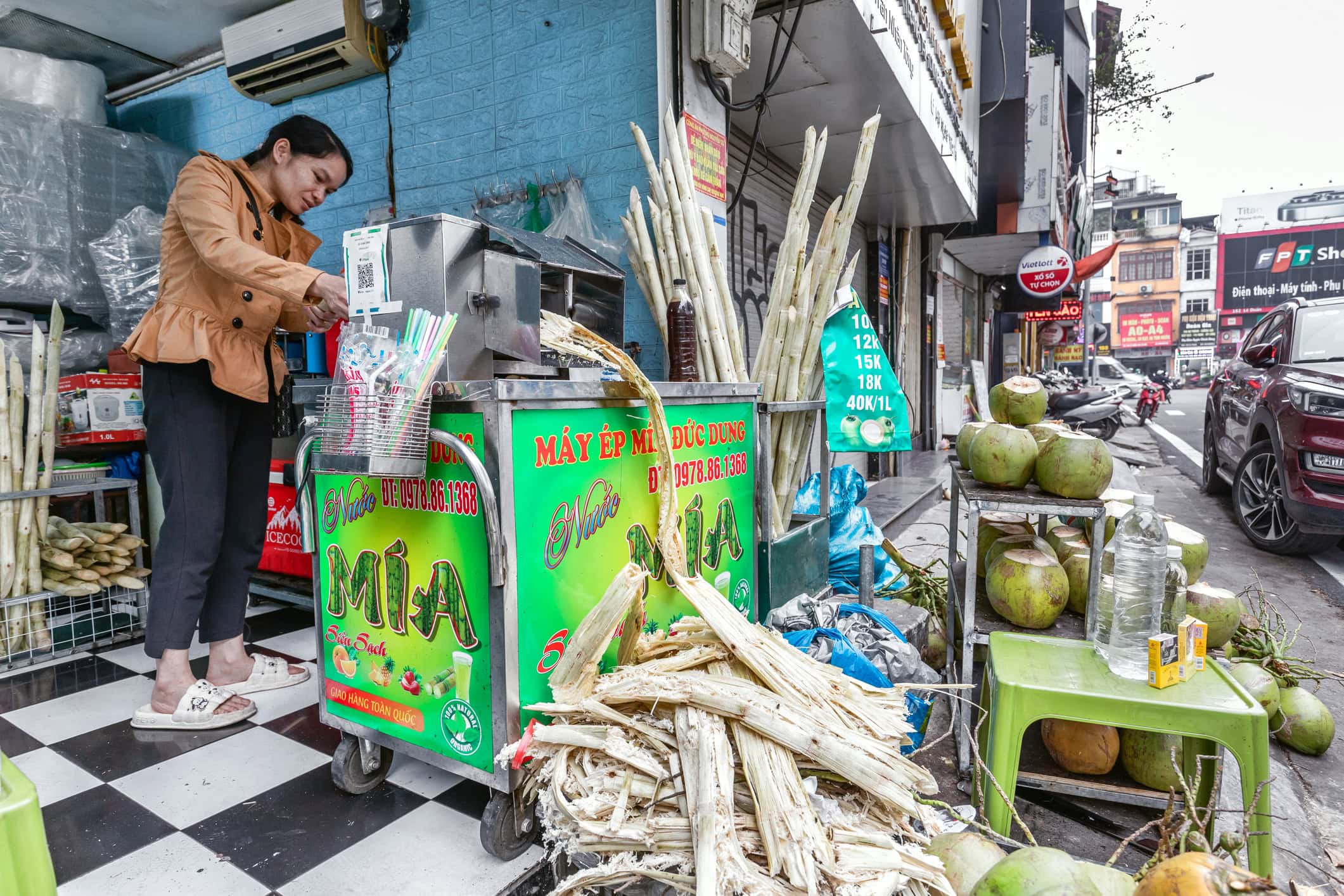
Locals drink it daily to beat the heat, reflecting the country's widespread sugarcane cultivation. On a hot day, this quickly became one of my favorite ways to cool off.
Watching vendors feed long stalks of sugarcane into mechanical presses, as I've also seen in Latin America, is part of the fun. The pale green juice is naturally sweet, served over ice, and sometimes brightened with a squeeze of lime or kumquat.
On a sweltering afternoon, nothing beats stopping for a glass of sugarcane juice while wandering through the neighborhoods of Saigon.
Sinh To (Vietnamese Fruit Smoothies)
Vietnam's tropical climate means there's always an abundance of fresh fruit, and sinh to (fruit smoothies) are one of the best ways to enjoy it. I made a point to try as many as I could.
Blended with ice, fresh fruit, and sweetened condensed milk, these smoothies are creamy, refreshing, and perfect for cooling off.
Sinh to is enjoyed everywhere in Vietnam and reflects both the country's love of fresh produce and the French influence that brought condensed milk into so many recipes.
Most cafés offer a rotating selection of seasonal fruit. Mango, avocado, jackfruit, and even durian are all popular choices, and each smoothie is a little different depending on what's in season.
Nuoc Dua (Fresh Coconut Water)
Fresh coconut water is everywhere in Vietnam, especially in the south, where coconut palms line the roads and markets. Vendors often hack open a green coconut with a machete and hand it to you to drink straight from the shell.
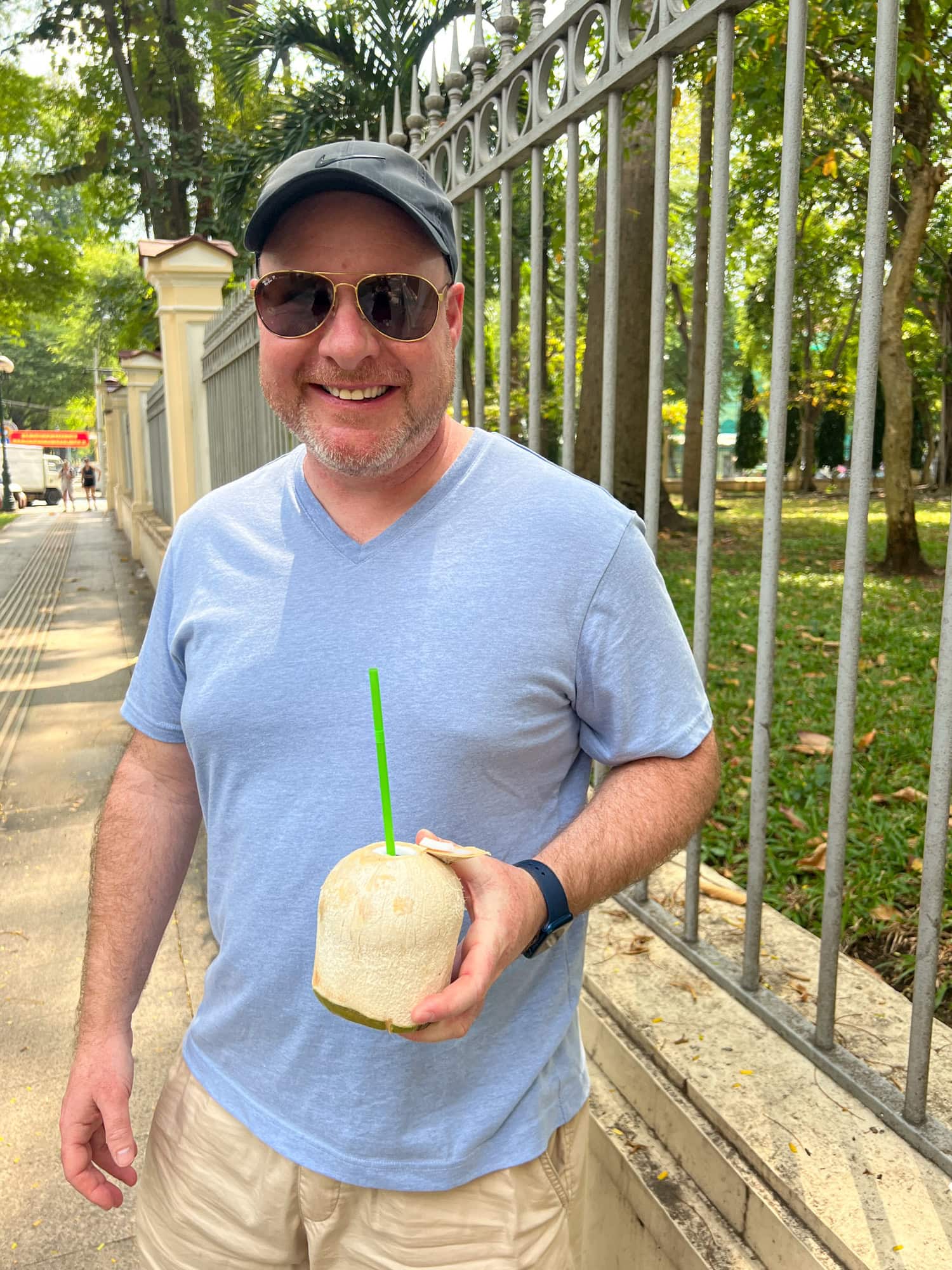
The water is slightly nutty, naturally sweet, and incredibly refreshing in the tropical heat-one of the simplest pleasures in Vietnam.
After you finish the water, some vendors will split the coconut so you can scoop out the soft, tender flesh inside. It's a bonus treat.
Pro Tip: Find out the going rate for a coconut before you agree to buy one from a street vendor.
My only encounter with a coconut vendor in Saigon left me frustrated when he started hacking open coconuts before I'd agreed to buy, then demanded an inflated tourist price. With the coconut already in my hand, I paid a fraction of what he demanded and walked away while he complained in Vietnamese.
Rau Ma (Pennywort Juice)
Rau ma is one of the more unique Vietnamese drinks: a bright green beverage made from pennywort leaves.
The leaves are blended with water, sometimes with sugar or coconut milk, to soften the herbal flavor. The result is a grassy, slightly bitter juice that locals swear by for cooling off on a hot day.
You'll spot pennywort juice at street stalls and small cafés, especially in southern Vietnam.
Nuoc Sam (Vietnamese Herbal Drink)
Nuoc sam is a traditional herbal drink composed of a variety of cooling ingredients, typically including chrysanthemum flowers, sugarcane, and grasses such as Imperata cylindrica (cogon grass), along with additional herbs like pandan leaves, corn silk, and sometimes licorice or la hanh (scallion bulbs).
It's usually prepared in big batches and served chilled over ice. You'll often see the dark herbal liquid on display in large glass jars at street stalls, ready to be ladled into a cup.
Many people in Vietnam believe drinks like nuoc sam help cool the body and balance out the heat during the country's steamy weather.
Vietnamese Tea
Coffee may be everywhere in Vietnam, but tea is still an important part of daily life. It's often served with meals or during social gatherings.
Tra Da (Vietnamese Iced Tea)
Tra da, or iced tea, is one of the most common drinks you'll find in Vietnamese restaurants. It's usually just green or jasmine tea poured over ice.
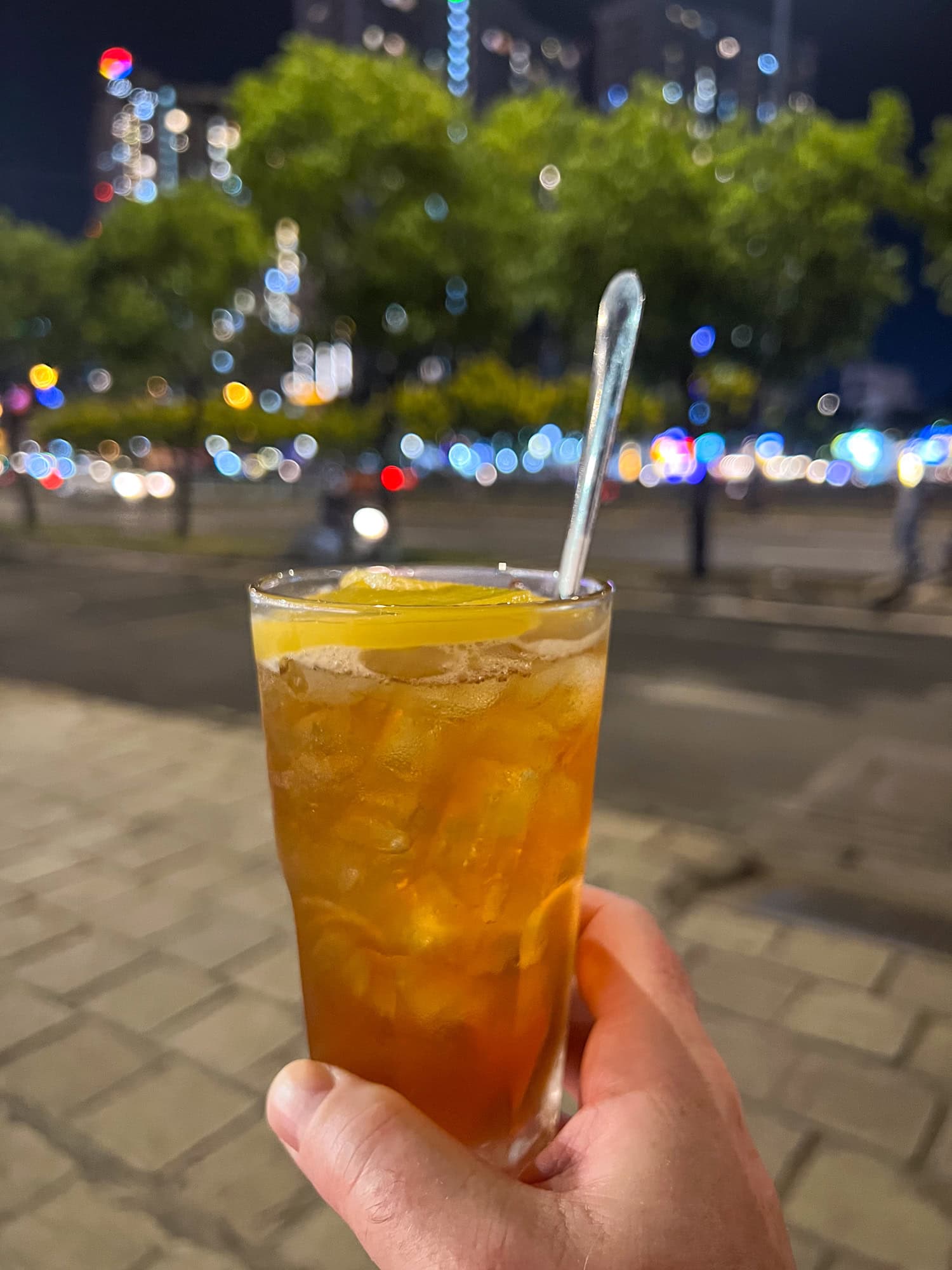
Served in small glasses, often complimentary with your meal, tra da is lightly bitter and provides a crisp contrast to the bold flavors of Vietnamese food.
With tra da so widely available, it's become an everyday drink across Vietnam, and it's hard to imagine a meal without it.
Tra Sen (Lotus Tea)
Lotus tea is one of Vietnam's most traditional and aromatic teas, made by infusing green tea leaves with the scent of lotus flowers. The fragrance is delicate and instantly recognizable.
Scenting tea with lotus blossoms is a delicate craft, especially in the north, where lotus ponds are everywhere. The result is a tea with a subtle floral aroma, often reserved for special occasions or traditional ceremonies.
Vietnamese Alcoholic Drinks
Vietnam's alcoholic drinks highlight the country's regional ingredients and longstanding traditions around social gatherings and celebrations.
This includes both widely consumed options like beer and rice wine, as well as lesser-known traditional spirits that reflect local customs and agricultural practices.
Bia Hoi (Fresh Draft Beer)
Bia hoi is a light draft beer brewed fresh and served the same day. It originated in northern Vietnam and is one of the country's most iconic drinks.
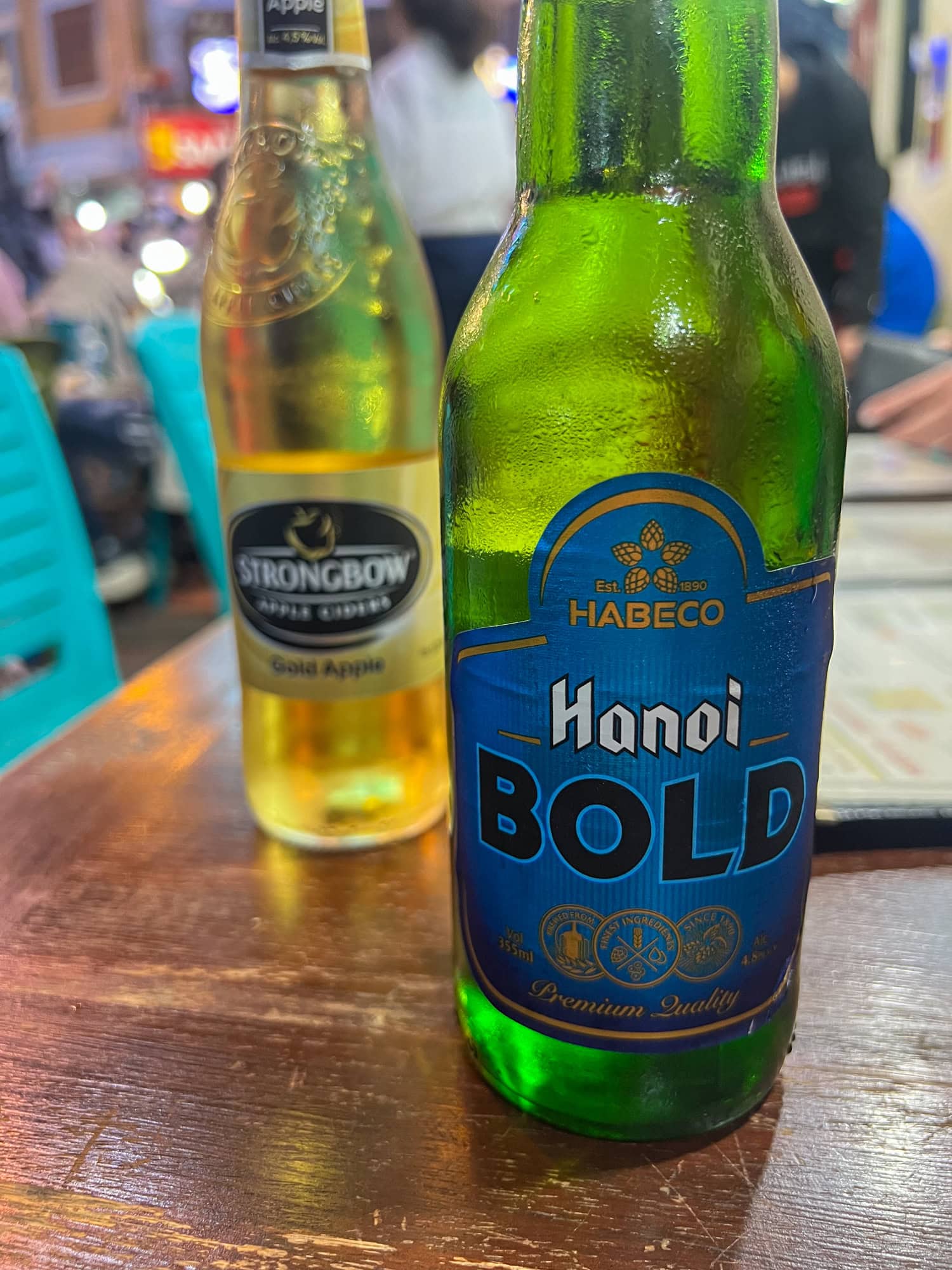
In Hanoi, you'll find casual street-side bia hoi joints serving cheap glasses of beer alongside simple snacks and meals. Sitting on a plastic stool with a cold glass of bia hoi is a classic Hanoi experience.
Bia hoi is low-alcohol and meant to be enjoyed fresh, making it the perfect drink for Vietnam's warm climate and lively street scenes.
Ruou Gao (Vietnamese Rice Wine)
Ruou gao, or Vietnamese rice wine, is a strong distilled spirit made from fermented rice and is prevalent throughout Vietnam. However, its production methods and cultural significance can differ by region.
In northern Vietnam, rice wine is often made in traditional clay or ceramic vessels and is closely tied to family gatherings and festivals.
In the central and southern regions, variations might use different types of glutinous rice or local herbs, resulting in distinct flavor profiles.
Ruou gao is typically produced in small batches, especially in rural areas where it remains an important part of agricultural and social traditions.
The flavor can vary considerably depending on the ingredients and the distillation process. Because of its strength, rice wine is usually poured into small cups rather than large glasses.
Ruou Ran (Snake Wine)
Snake wine (ruou ran) might be the most unusual Vietnamese alcoholic drink I came across. It's traditionally made by infusing whole snakes in rice wine, and seeing the bottles lined up at market stalls is an experience in itself.
Within traditional Vietnamese medicine, it is believed to promote vitality, improve circulation, and address ailments such as arthritis or back pain. These beliefs are rooted in longstanding cultural practices that attribute the snake's medicinal properties to the wine produced from it.
You'll often see snake wine sold in large bottles as a novelty or traditional remedy, but it's usually only sipped in small amounts-definitely not for the faint of heart.
Exploring Vietnamese Drink Culture
Vietnam's drink culture reflects its climate, agriculture, and food traditions, and these Vietnamese drinks are a great place to start exploring them. From hardy robusta coffee in crowded cafés to fresh juices from street vendors, drinks are an essential part of daily life here.
Whether you're sipping iced coffee, cooling off with sugarcane juice, or exploring traditional herbal drinks, Vietnamese beverages offer a window into the country's food culture.
Trying these drinks is one of the best ways to experience the flavors and traditions that make Vietnamese cuisine so memorable. I recommend sampling as many as you can on your next trip.