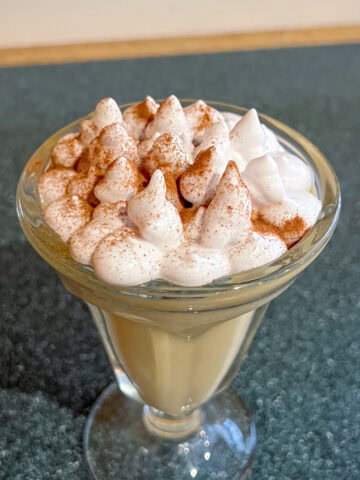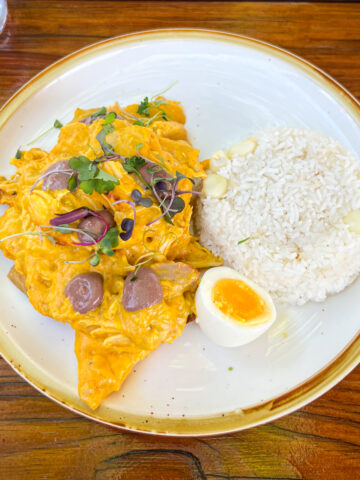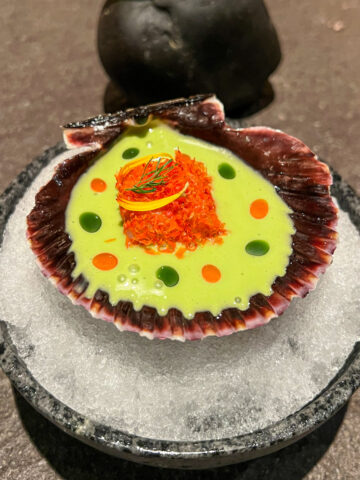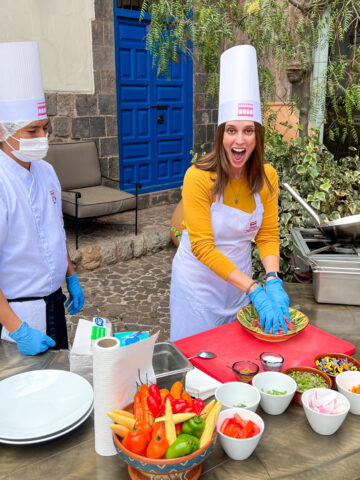
Peruvian cuisine is celebrated worldwide for dishes such as ceviche, lomo saltado, and ají de gallina, many of which are featured in my guide to Peruvian food. But after 15 years of traveling in Peru, I found that traditional Peruvian drinks are just as intriguing and often just as colorful.
Whether it's a glass of purple corn juice with lunch in Lima, a steaming cup of herbal tea in the Andes, or a pisco cocktail by the coast, Peruvian drinks reflect the country's remarkable geography and cultural history.
Some of these drinks date back to pre-Columbian times, while others reflect Spanish and later influences. Together, they create a diverse drink culture that stretches from the Pacific Coast across the Andes and deep into the Amazon.
Tasting my way through Peru's drinks has given me a deeper appreciation for how each region's traditions and history come alive in the glasses I've raised along the way.
Below is my curated guide to traditional Peruvian drinks-both non-alcoholic and alcoholic-that help tell the story of Peru's cuisine. I'll continue to update this list with each new visit.
Many of these drinks are served alongside the classic dishes I featured in my Peruvian food guide. They're an essential part of any culinary adventure in Peru.
Traditional Non-Alcoholic Peruvian Drinks
Many of these traditional Peruvian drinks have been enjoyed for centuries and are still widely served across the country today.
Chicha Morada
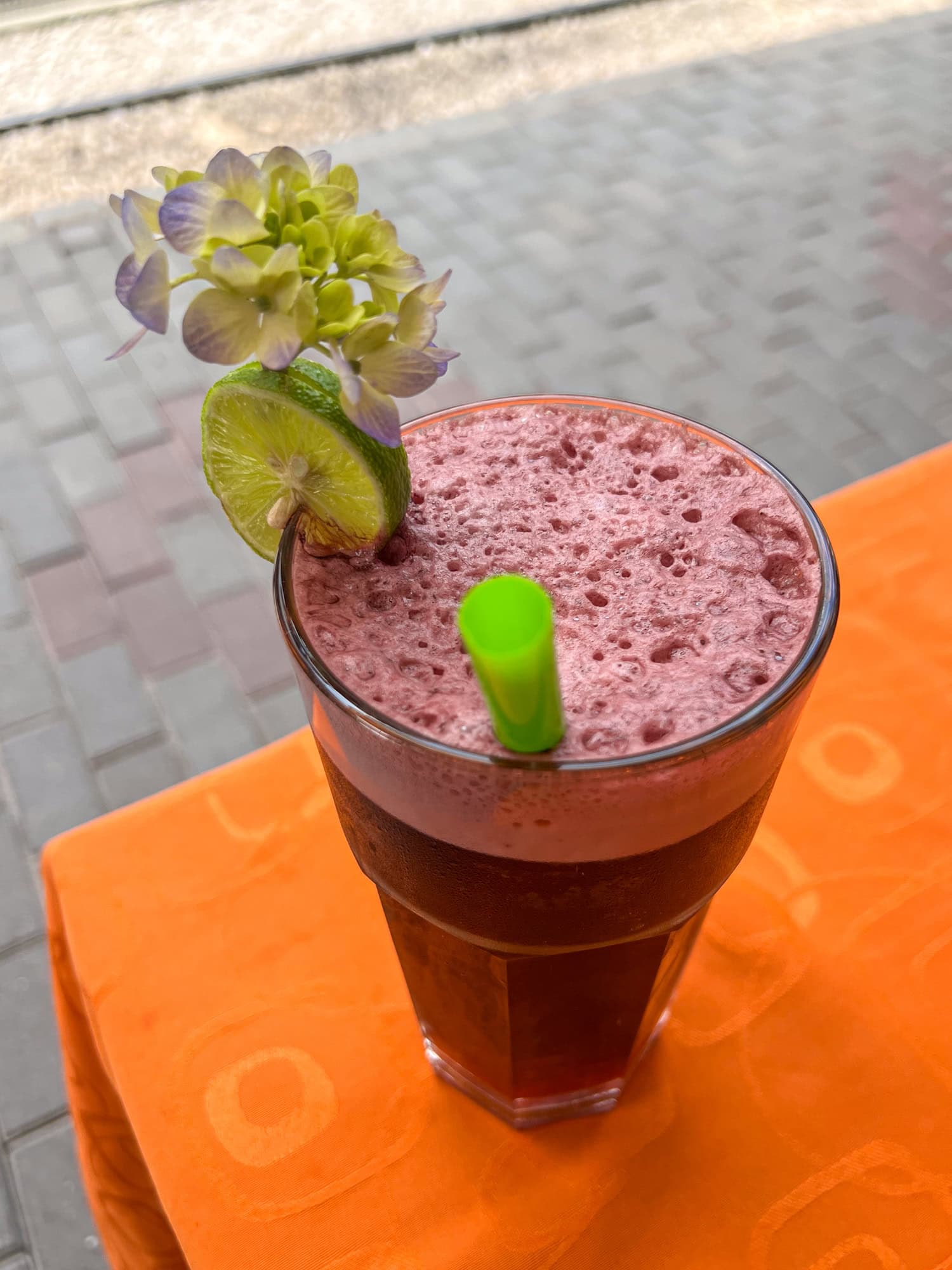
If I had to pick one drink that really represents Peru, it would be chicha morada. This deep purple beverage is made from maíz morado, a variety of purple corn cultivated by pre-Columbian Andean civilizations for centuries.
The corn is boiled with pineapple peels, cinnamon sticks, and cloves, then strained and chilled before serving. Lime juice and sugar are often added for balance.
The result is a refreshing drink that's fruity, lightly spiced, and naturally colorful. I found it especially satisfying on a warm afternoon in Lima.
You'll spot chicha morada everywhere in Peru, from casual restaurants and street stalls to family kitchens. I encountered it often while dining out in Lima, including at several spots featured in my guide to the best restaurants in Lima.
Despite its ancient roots, it remains one of the country's most beloved drinks.
Inca Kola
Peru's national soda is impossible to miss. Inca Kola is bright yellow, intensely sweet, and instantly recognizable for its bubblegum-like flavor.
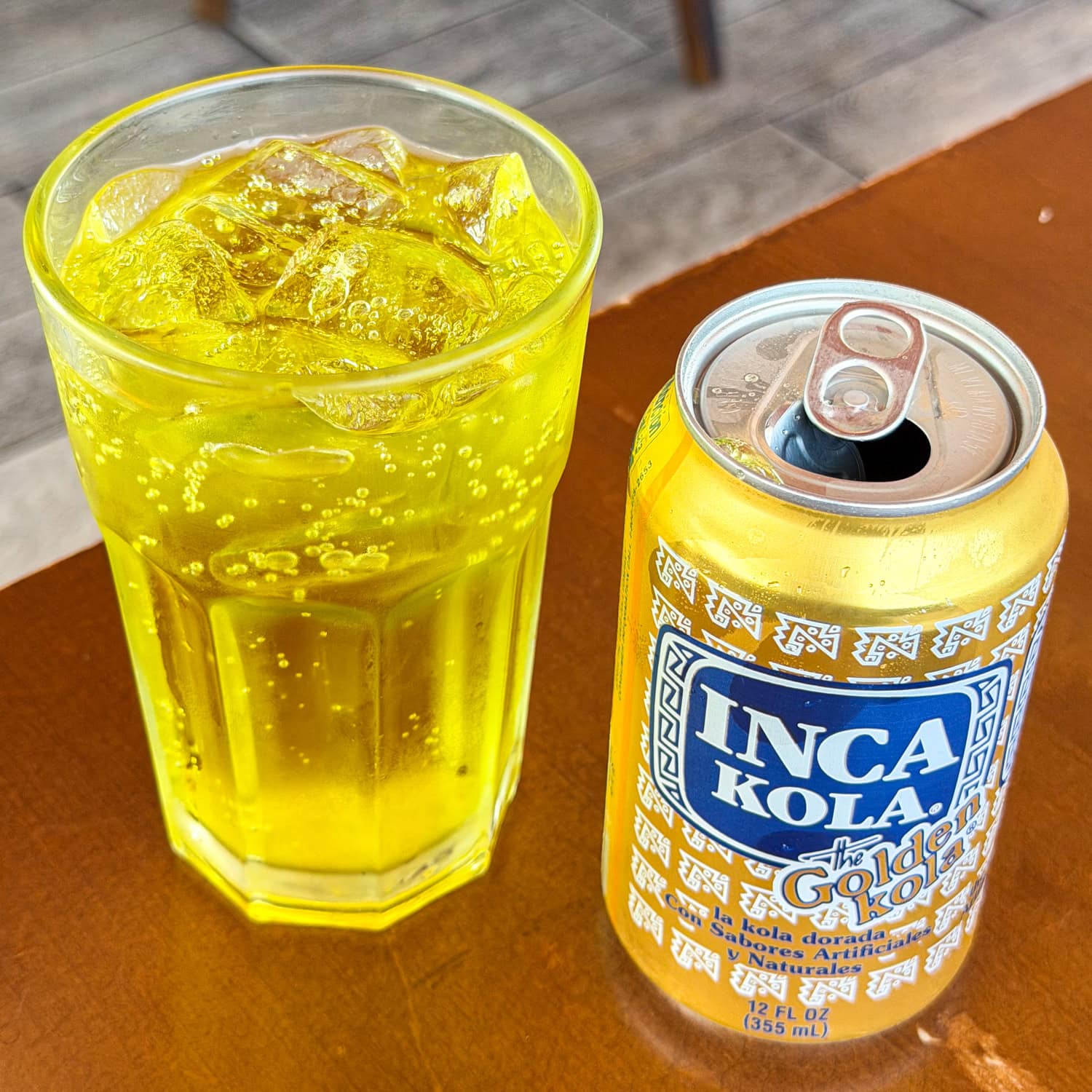
The drink was created in Lima in 1935 by a British immigrant named José Robinson Lindley. Over time, it became so popular that it eventually outsold Coca-Cola in Peru, a rare achievement for a local soda brand.
Today, Coca-Cola owns 50% of the brand and controls international production and marketing. The Lindley family owns the remaining 50% and remains responsible for domestic production.
Inca Kola continues to be a top-selling soda and a source of national pride and nostalgia for many Peruvians. I often saw it served with fast food, ceviche, and fried dishes. It's also a hallmark offering at Peruvian restaurants around the world.
Emoliente
If you wander through certain neighborhoods in Lima after sunset, you'll likely spot a glowing street cart surrounded by locals. Chances are, they're lining up for a warm cup of emoliente.
This traditional herbal drink is made by simmering barley with ingredients such as flaxseed, horsetail, alfalfa, and other medicinal plants. Vendors often customize each cup with lime juice, sugar, or herbal syrups.
Emoliente is valued not just as a drink but as a health tonic, believed to aid digestion and boost energy. Street vendors have sold it for generations, and it remains one of the most enduring drinks in Peruvian street culture.
Chicha de Jora
Another historic drink made from corn is chicha de jora, a lightly fermented beverage with ancient origins.
Unlike chicha morada, which is non-alcoholic, chicha de jora is made from malted yellow corn that has been fermented. The process dates back to the Inca Empire, when the drink was used in ceremonies, festivals, and community gatherings.
Today, chicha de jora is still made in rural Andean communities and often served in rustic clay cups at traditional chicherías. If you have the chance, I highly recommend seeking it out. The flavor can vary based on the fermentation process, ranging from mildly sweet to slightly sour.
Fresh Fruit Juices
Fresh fruit juices are everywhere in Peru, served in restaurants, cafés, and market stalls across the country. Many of these juices showcase tropical fruits grown in Peru's diverse climates.
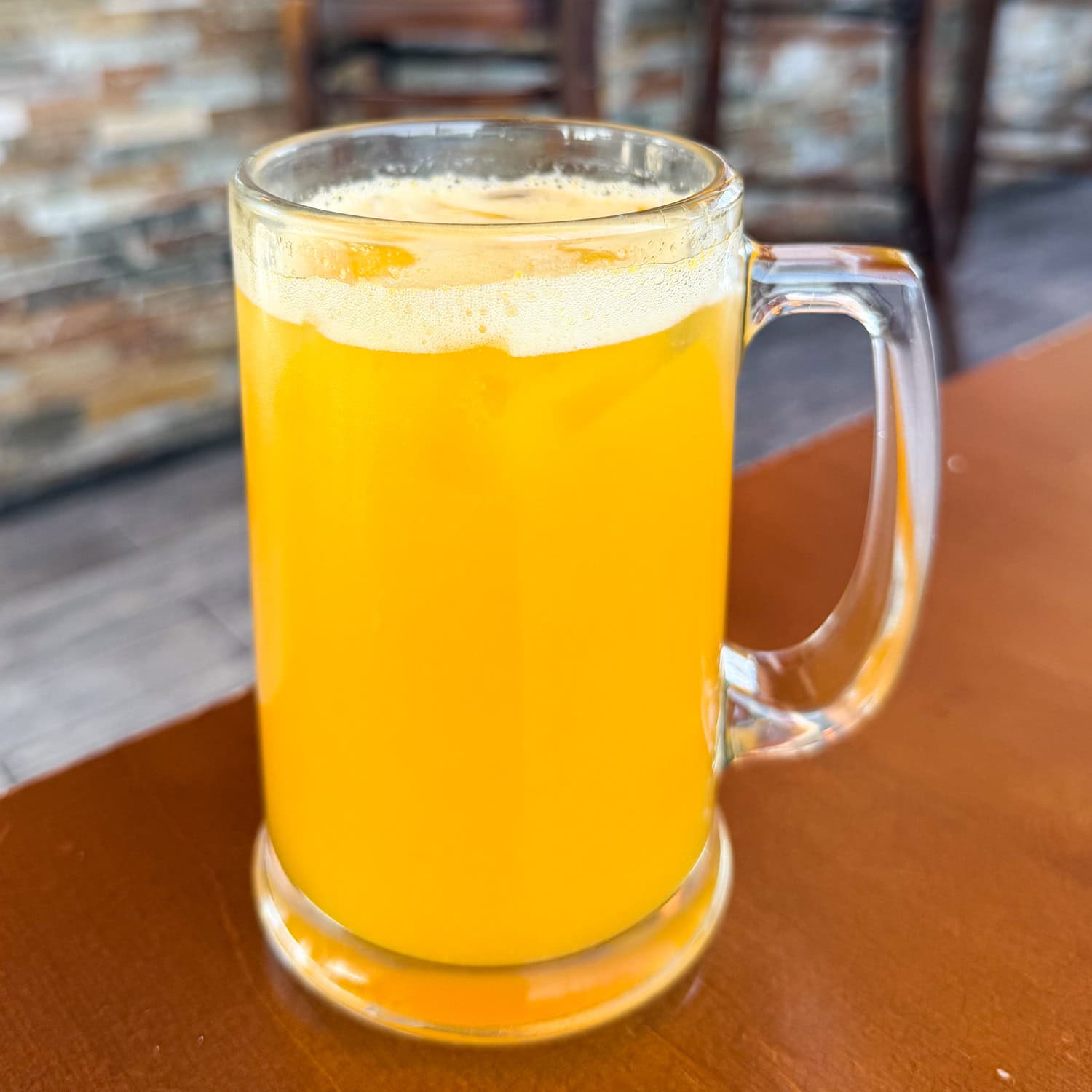
Some of my favorites from my travels include:
- Maracuyá (passion fruit) - tart and refreshing
- Guanábana (soursop) - creamy and fragrant
- Mango - sweet and tropical
- Lúcuma - a uniquely Peruvian fruit with a caramel-like flavor
These juices are often blended with water or milk and lightly sweetened, making them refreshing drinks that pair well with breakfast or lunch.
Aguajina
In the Peruvian Amazon, one of the most distinctive drinks is aguajina. It is made from aguaje, a reddish tropical fruit that grows on palm trees throughout the Amazon rainforest.
The fruit has a slightly sweet, earthy flavor and is commonly blended with water and sugar to make a refreshing beverage.
Aguaje is also known for its nutritional value, particularly its high levels of vitamins and antioxidants. In cities like Iquitos, you'll find aguajina sold in markets and at street stalls.
Mate de Coca
If you're heading into the Andes to visit Machu Picchu or trek in the Cordillera Blanca, you'll likely come across mate de coca, a tea brewed from coca leaves.
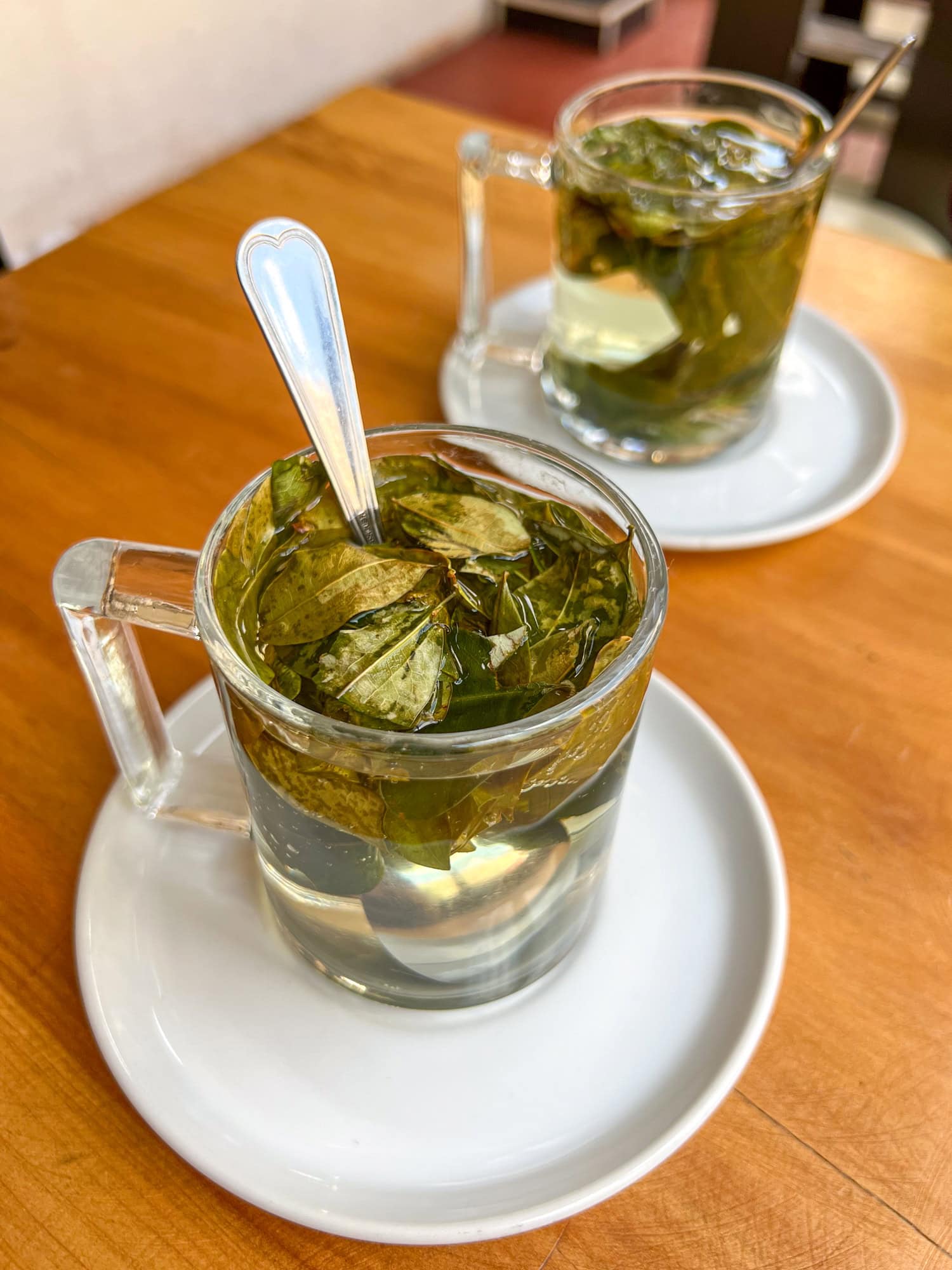
The drink has been used for centuries by Indigenous communities in high-altitude regions of the Andes. It's believed to help ease symptoms of altitude sickness, including headaches and fatigue.
Hotels in cities like Cusco, Huaraz, and Arequipa often provide guests with 24/7 access to hot water and dried coca leaves for making mate de coca-a tradition I always look forward to after a long journey.
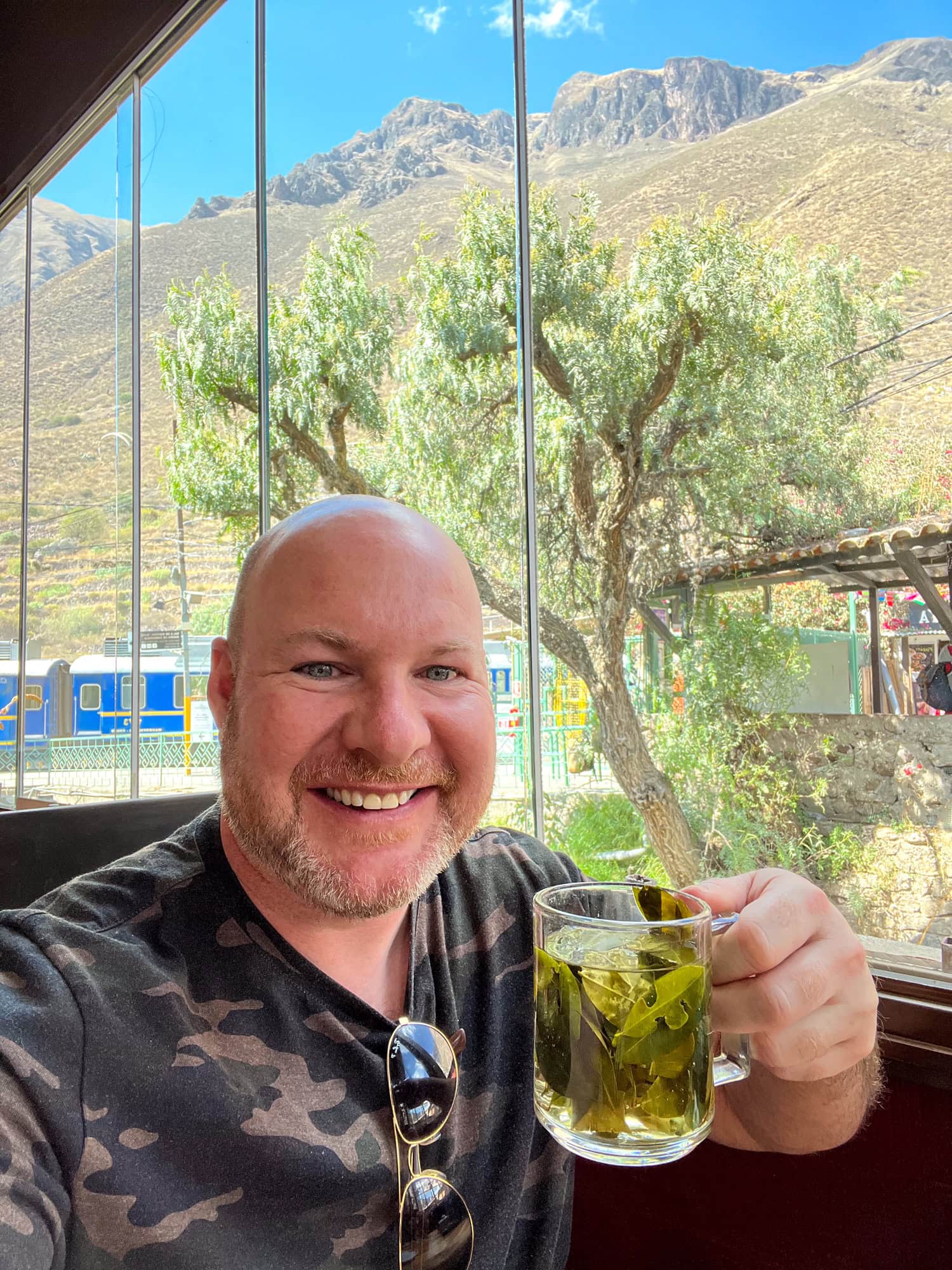
While coca leaves are the raw ingredient used to produce cocaine, coca tea itself is mild and widely consumed throughout the Andes.
Traditional Alcoholic Peruvian Drinks
While non-alcoholic drinks like juices and herbal teas are found everywhere in Peru, the coastal regions-especially around Lima-are also known for their cocktail culture, all centered on one key ingredient: pisco.
Pisco, a grape brandy first distilled in the 16th century, has become one of Peru's defining spirits.
Pisco Sour
The most famous cocktail in Peru is the pisco sour, which is widely considered the national drink.
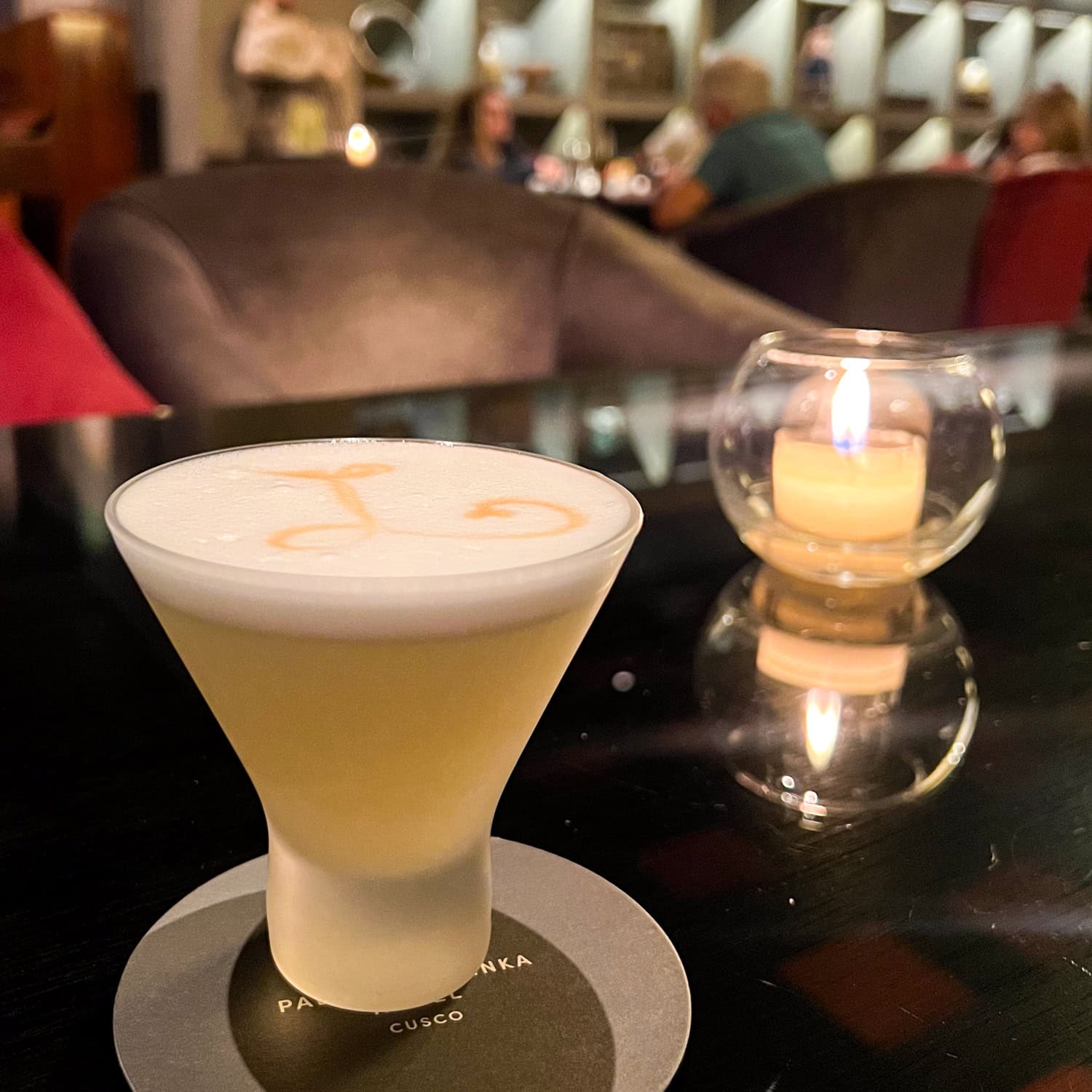
The cocktail combines:
- Pisco (a grape brandy)
- Fresh lime juice
- Simple syrup
- Egg white
- Aromatic bitters
The ingredients are shaken vigorously to create a smooth, frothy texture. The result is a cocktail that's tart, slightly sweet, and topped with a creamy foam.
You'll find pisco sour in bars and restaurants throughout Peru, and it's a staple at celebrations and gatherings. The photo above was taken during my stay at the historic Palacio del Inka hotel in Cusco, where guests can even participate in pisco tastings.
Chilcano
Another classic pisco cocktail is the chilcano. This refreshing drink is lighter than a pisco sour and is often compared to a highball.
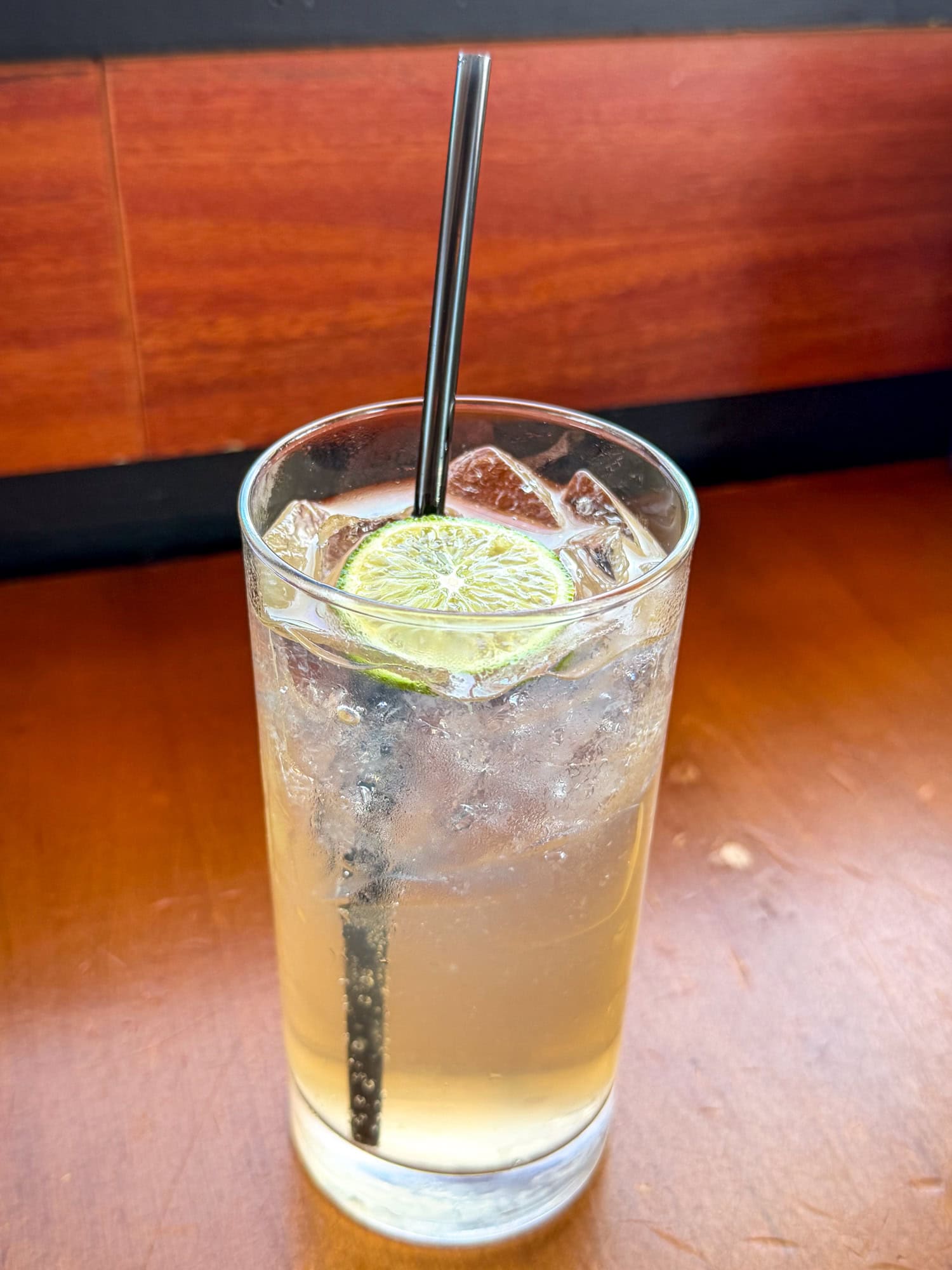
It's typically made with:
- Pisco
- Ginger ale
- Lime juice
- Ice
Along with the famous pisco sour, the chilcano is one of the most widely enjoyed pisco drinks you'll encounter in Peru.
When I tried my first chilcano while researching this story, I found it a bit too sweet for my personal taste. Still, because it's simple and refreshing, many Peruvians consider the chilcano an everyday drink, while the pisco sour is often reserved for celebrations.
Pisco Punch
Pisco also stars in the historic pisco punch, a cocktail with roots that reach beyond Peru. The drink became famous in late 19th-century San Francisco, where bartenders mixed pisco with pineapple and citrus to create a sweet, potent punch.
Today, you can find variations of pisco punch in cocktail bars throughout Peru. If you're a fan of tropical flavors, it's worth seeking out.
Cusqueña Beer
Beer is widely enjoyed in Peru, and one of the most recognizable brands is Cusqueña. First brewed in Cusco in the early 20th century, it has since become one of the most popular Peruvian beers.
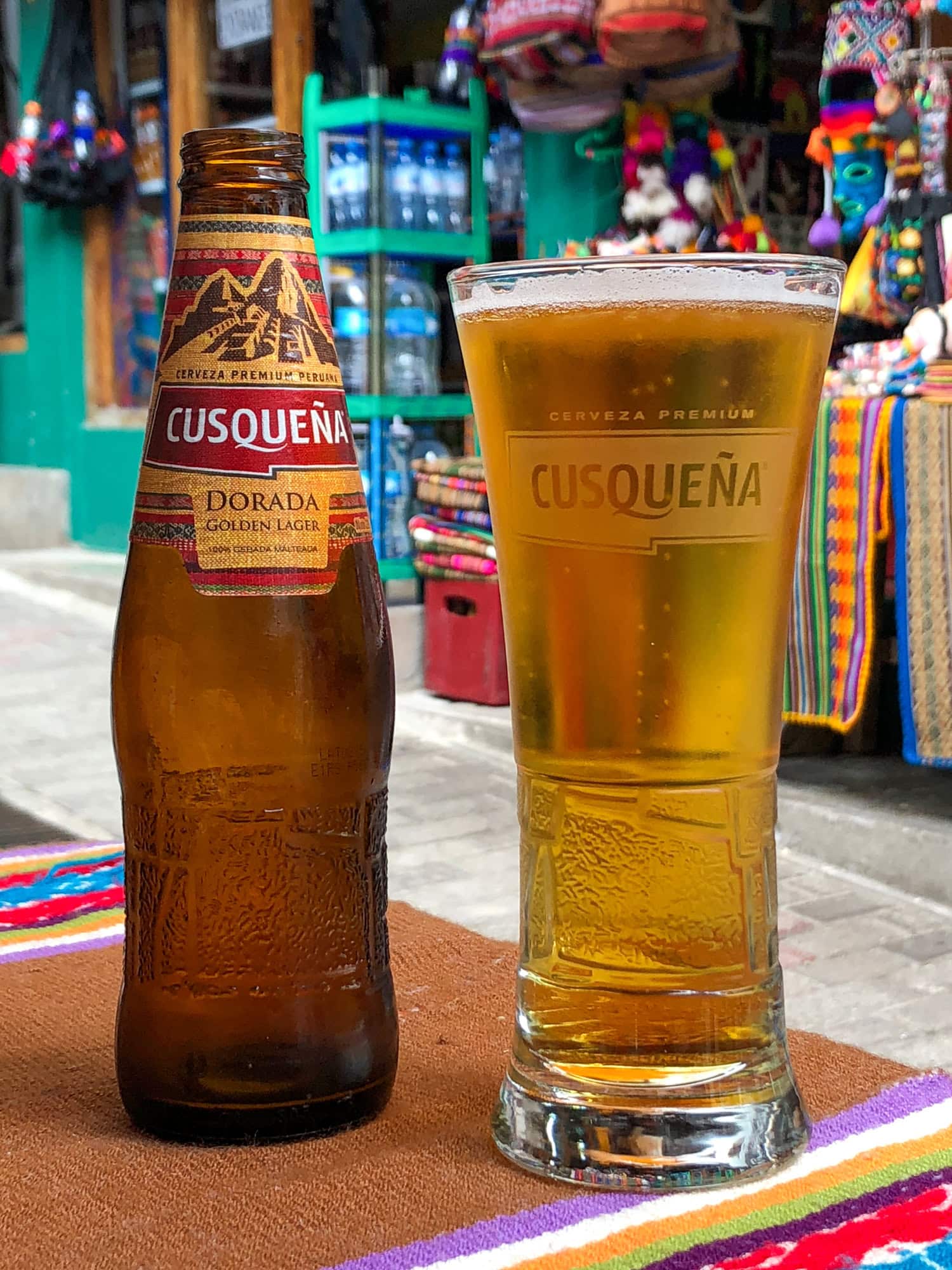
Cusqueña is known for its distinctive embossed bottles and comes in several varieties of Peruvian lager, including:
- Golden Lager
- Red Lager
- Dark Lager
While pisco cocktails often steal the spotlight, beer is a popular choice with everyday meals. I've shared many bottles of Cusqueña with friends over plates of chicken and anticuchos.
In recent years, Peru has also developed a growing craft beer scene. Microbreweries in cities like Lima, Cusco, and Arequipa now produce small-batch lagers, IPAs, and experimental beers inspired by local ingredients.
Regional Peruvian Drinks
To truly appreciate Peruvian drinks, it helps to understand how each region's environment shapes its culinary traditions. Peru's diverse landscapes mean you'll find a different specialty in nearly every corner of the country.
Andes: In the highlands, traditional drinks emphasize warmth and tradition. Mate de coca helps travelers adjust to altitude, while chicha de jora is still tied to centuries-old cultural practices.
Amazon: In the Amazon basin, drinks are commonly made with tropical fruits. Aguajina made from aguaje is a favorite, but juices from camu camu and other rainforest fruits are also common.
Pacific Coast: Along Peru's coastal cities, refreshing drinks are the norm. Chicha morada, fruit juices, and pisco cocktails are widely enjoyed in restaurants and bars.
Final Thoughts on Peruvian Drinks
From ancient corn drinks to modern pisco cocktails, Peru's drink culture is every bit as varied as its cuisine.
Many of these beverages are deeply tied to Peru's geography and history. Whether you're sipping chicha morada with lunch in Lima or enjoying a pisco sour at sunset, these traditional drinks are another delicious way to experience the country's food culture.
I hope you'll have the chance to try a few of these drinks on your next trip to Peru.