Over the past two decades of traveling in Peru, I've learned that the country's sweet traditions are easy to overlook if you're focused on famous dishes like ceviche and lomo saltado, many of which I featured in my guide to Peruvian food. However, there is a delicious world of Peruvian desserts waiting to be discovered.
Again and again, whether I was in a Lima bakery, passing through an Andean market, or sitting down at a neighborhood restaurant, I discovered desserts that were every bit as memorable as the main course.
Many traditional Peruvian sweets combine indigenous ingredients with colonial-era techniques. Purple corn, quinoa, and tropical fruits appear alongside Spanish influences such as custards, pastries, and caramel sauces.
Geography also plays an important role. Along the Pacific coast, you'll find rich caramel desserts and ice creams made with native fruits.
In the Andes, sweets usually incorporate milk, grains, and warming spices. And in the north and Amazon regions, tropical ingredients bring a completely different flavor profile.
Here's my guide to some of the most traditional Peruvian desserts I've tried or learned about while exploring the country, from famous Lima specialties to regional sweets you might only come across in certain cities.
Classic Peruvian Desserts
Suspiro a la Limeña
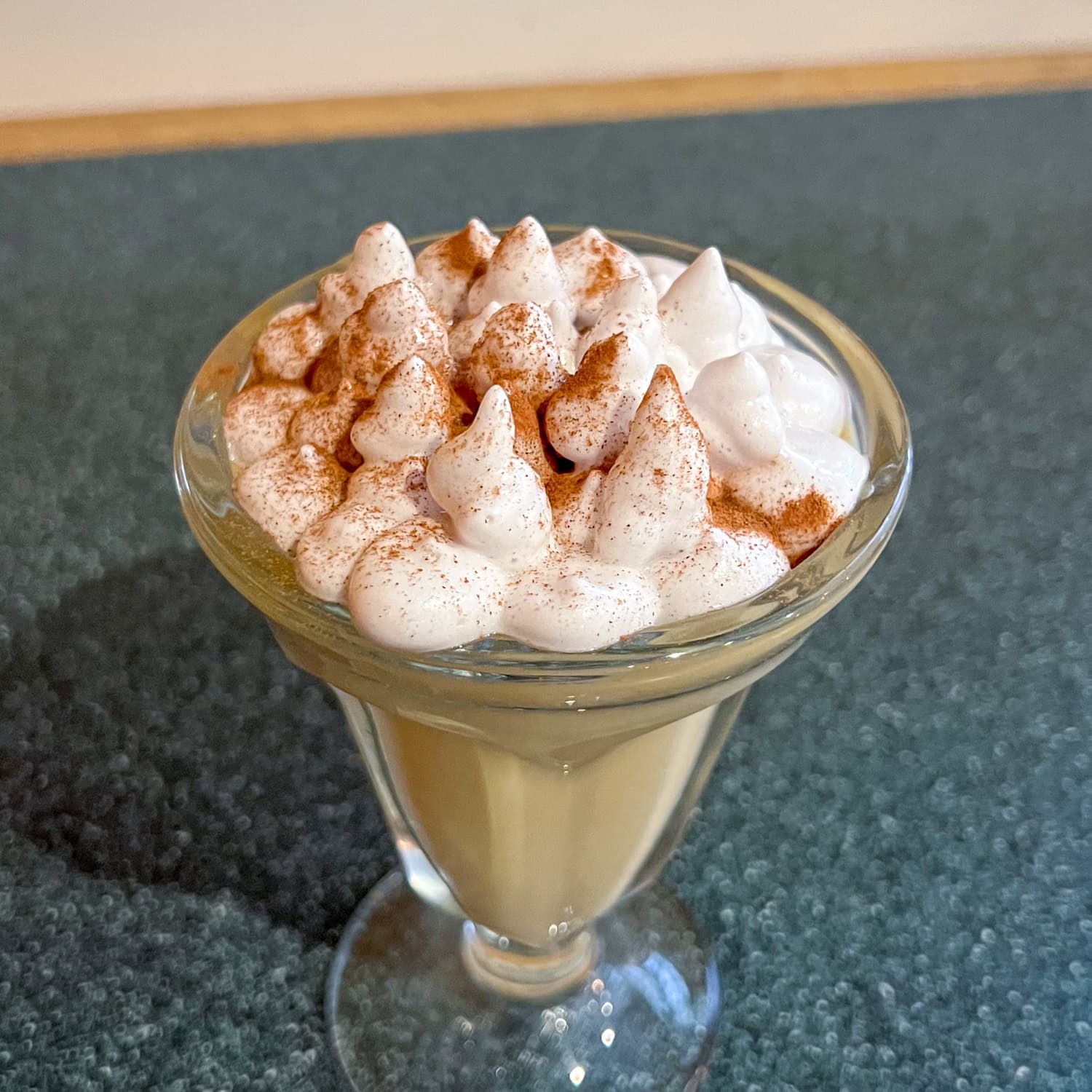
Suspiro a la limeña is one of Peru's most iconic desserts, and it's a must-have if you're in Lima. This rich caramel treat dates back to 19th-century Lima.
The base is manjar blanco, a caramel-like milk custard similar to dulce de leche, made by slowly cooking milk and sugar until it thickens and becomes creamy. On top sits a fluffy layer of meringue flavored with port wine.
The name translates roughly to "the sigh of the woman from Lima," which is fitting-this dessert is incredibly sweet and indulgent.
You'll spot suspiro a la limeña on dessert menus all over Lima, usually arriving in a small glass dish with a dusting of cinnamon on top. It's so rich that I'd recommend sharing it.
Mazamorra Morada
Mazamorra morada is one of Peru's most distinctive desserts, instantly recognizable for its deep purple color and thick, pudding-like texture.
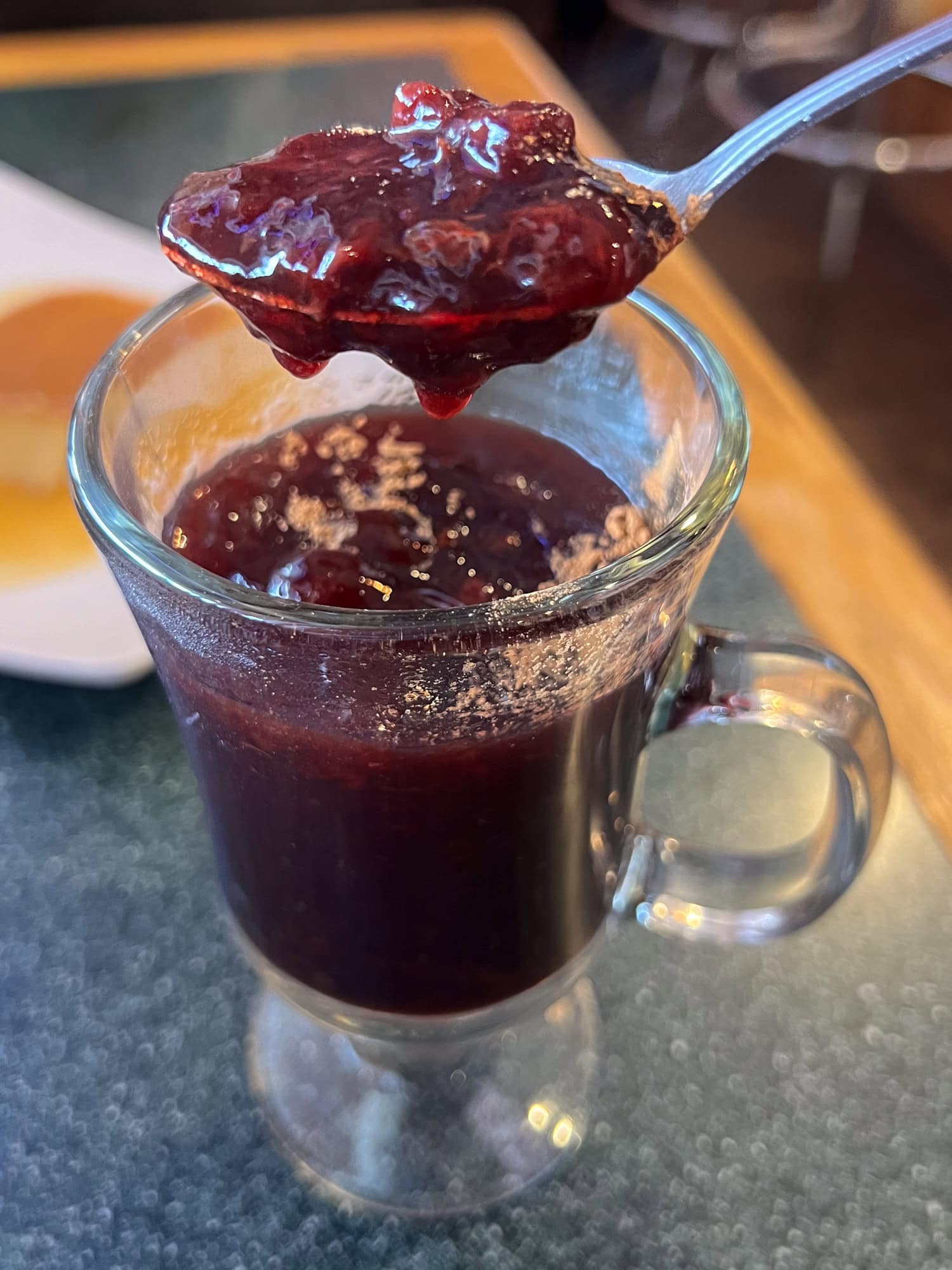
The dish is made with purple corn, a native Andean ingredient also used to make chicha morada. The corn is cooked with spices such as cinnamon and cloves, then thickened with fruit and starch, usually cornstarch or sweet-potato starch, to achieve a pudding-like consistency.
Mazamorra morada is especially associated with October in Lima, when it's traditionally eaten during the Señor de los Milagros religious festival.
A common sight in markets and street stalls is a combination plate of mazamorra morada and arroz con leche, served side by side in the same bowl.
Arroz con Leche
Rice pudding appears in cuisines across Latin America, but Peruvian arroz con leche has its own character.
The dessert is made by slowly cooking rice with milk, sugar, cinnamon, and cloves until thick and creamy. Raisins are sometimes added, and the finished dish is typically sprinkled with ground cinnamon.
In Peru, especially in Lima, you'll find arroz con leche sold by street vendors and in small dessert shops.
One of the most traditional ways to enjoy it is to pair it with mazamorra morada, creating a colorful dessert of purple and white layers.
Colonial-Era Sweets
Picarones
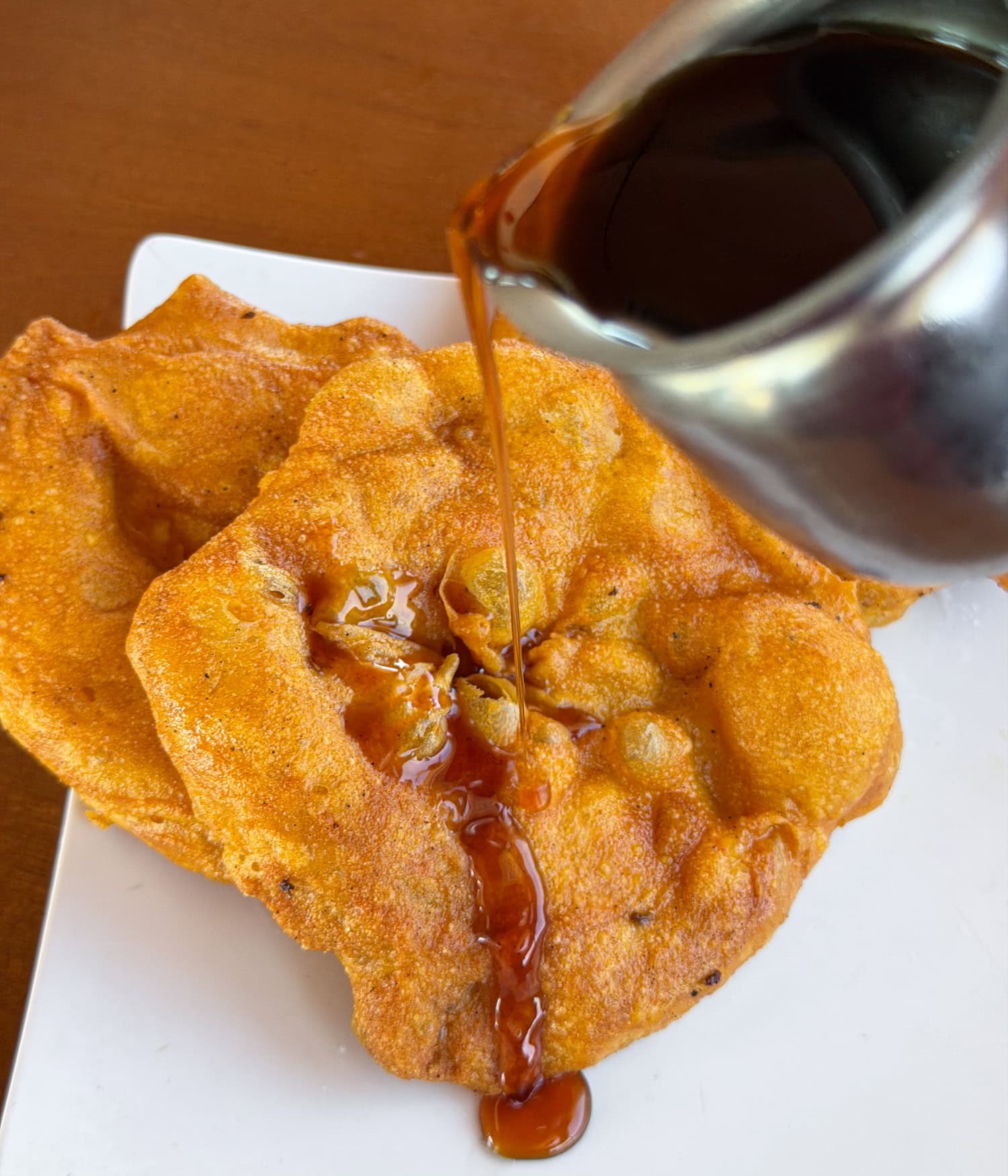
If you're looking for Peru's answer to the donut, try picarones. These deep-fried rings are made with a batter of sweet potato and squash, which gives them a mild sweetness and a soft, pillowy texture.
The dessert likely evolved from Spanish buñuelos, with squash and sweet potato added during colonial times.
After frying, picarones are served hot and drizzled with chancaca syrup, a dark, molasses-like syrup made from unrefined cane sugar.
They're a classic street food in Lima, especially in the evenings when vendors set up carts and fry them fresh to order. I always make a point to grab a few when I see them.
Turrón de Doña Pepa
Turrón de Doña Pepa is another dessert that's closely tied to Lima's traditions. This colorful treat is made of layered anise-flavored cookie bars soaked in chancaca syrup and topped with bright candy sprinkles.
Like mazamorra morada, it's strongly associated with the October celebrations of Señor de los Milagros, when bakeries and street vendors across the city sell it in abundance.
The dessert dates back to the colonial era and remains one of Peru's most beloved festive sweets.
King Kong
King Kong is a dessert from the northern city of Chiclayo in the Lambayeque region, and despite the name, it has nothing to do with the movie monster. The name actually refers to its large size and layered structure.
King Kong is essentially a giant version of an alfajor-style cookie cake, made from layers of shortbread-like dough filled with manjar blanco, fruit jam, and sometimes peanuts.
You'll usually see it cut into thick rectangular pieces, perfect for sharing as a snack or dessert.
Crema Volteada
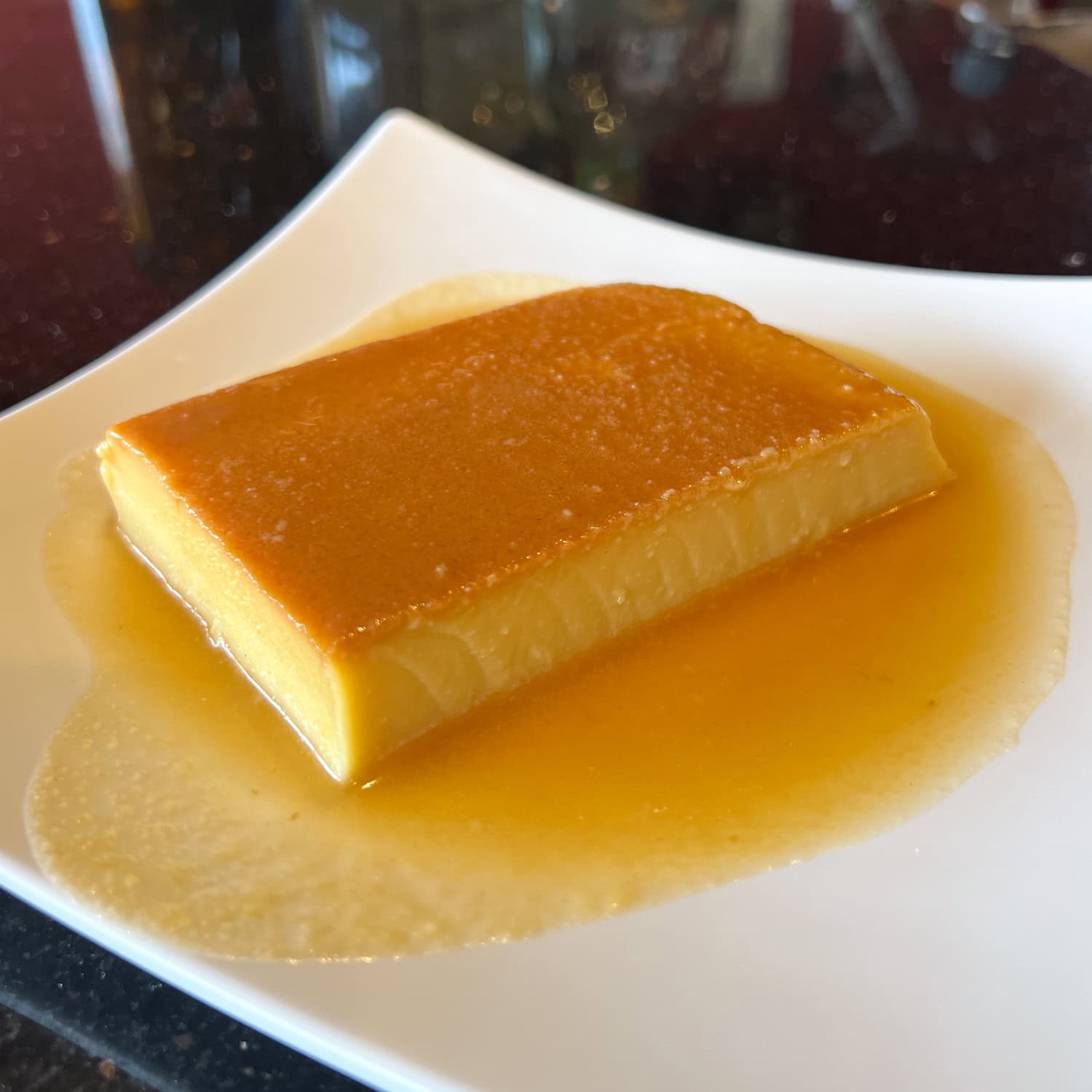
Crema volteada is Peru's version of flan, a smooth baked custard topped with golden caramel sauce.
The dessert arrived in Peru during the Spanish colonial era and remains a staple on restaurant menus throughout the country.
Made with eggs, milk, and sugar, crema volteada has a silky texture and a rich caramel flavor that makes it a satisfying finish to a traditional Peruvian meal.
Andes-Inspired Desserts
Queso Helado
One of the most surprising desserts I came across in Peru is queso helado, a specialty from the southern city of Arequipa.
Despite its name-which translates to "cheese ice cream"-the dessert doesn't contain cheese or cream.
Instead, it's made from milk, coconut, cinnamon, and sugar, frozen and then shaved into delicate flakes. The result is something between ice cream and shaved ice.
In Arequipa, vendors scrape queso helado from a frozen metal container that sits atop ice and serve it in small cups with a dusting of cinnamon.
Leche Asada
Leche asada is Peru's take on baked custard. Similar to flan but with a slightly firmer texture, this dessert is made by baking milk, eggs, and sugar until set, creating a custard with a lightly caramelized top.
It's especially popular in southern Peru and is often served chilled. With just a few simple ingredients, it's the sort of comforting dessert you'll find in both family kitchens and restaurants.
Ice Cream and Fruit Desserts
Lúcuma Ice Cream
One of my favorite Peruvian dessert flavors comes from lúcuma, a fruit native to the Andes. Its flesh is naturally sweet, with a flavor that reminds me of maple syrup, sweet potato, and butterscotch all at once.
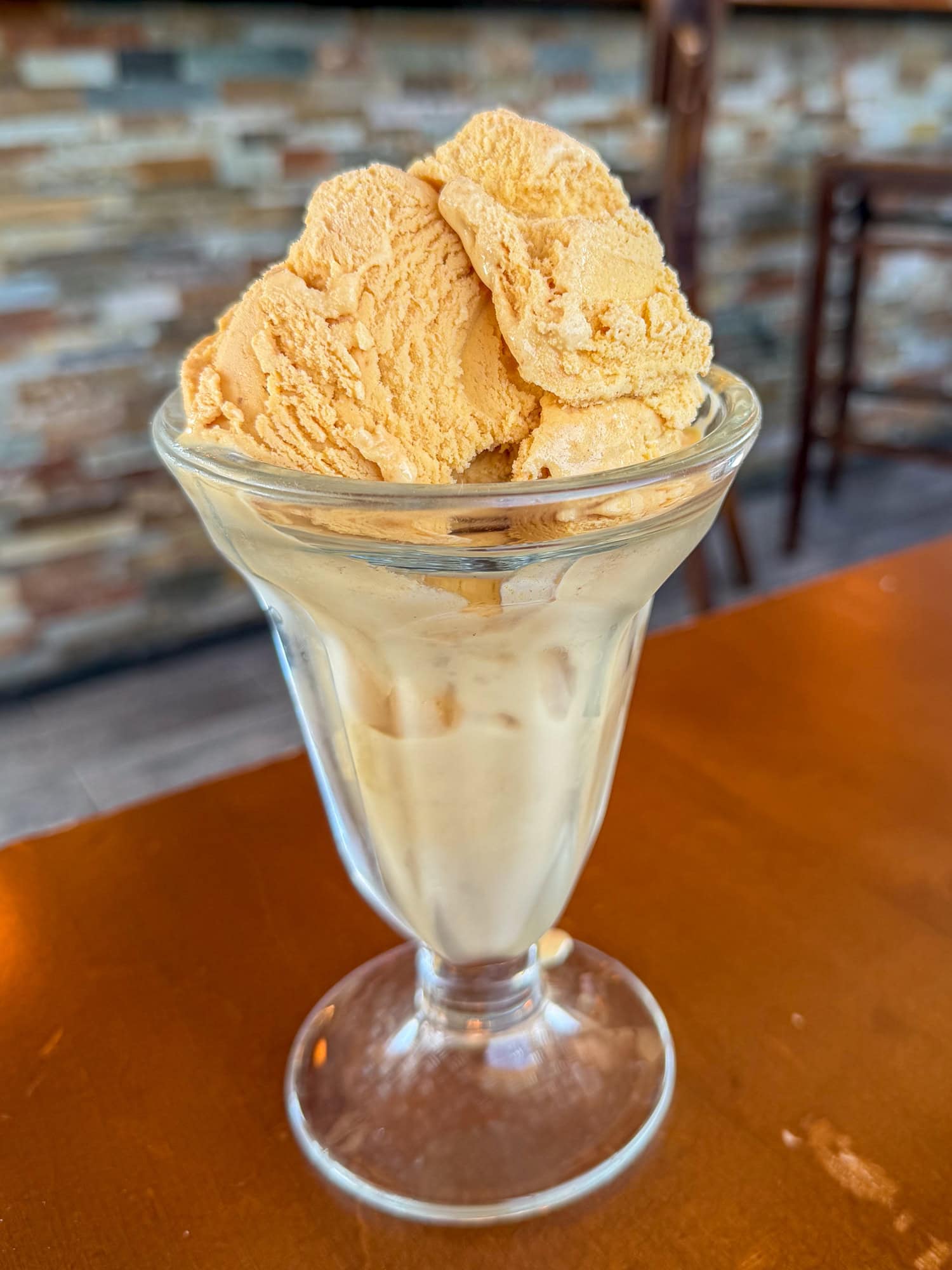
Lúcuma is rarely eaten fresh outside Peru because it spoils quickly, but it's widely used in desserts-especially ice cream. Lúcuma ice cream is extremely popular in Lima, where many ice cream shops offer it alongside more familiar flavors.
Alfajores
Although alfajores are enjoyed throughout Latin America, their origins trace back to the Middle East before the dessert traveled through Spain and eventually became a beloved sweet in countries like Peru and Argentina.
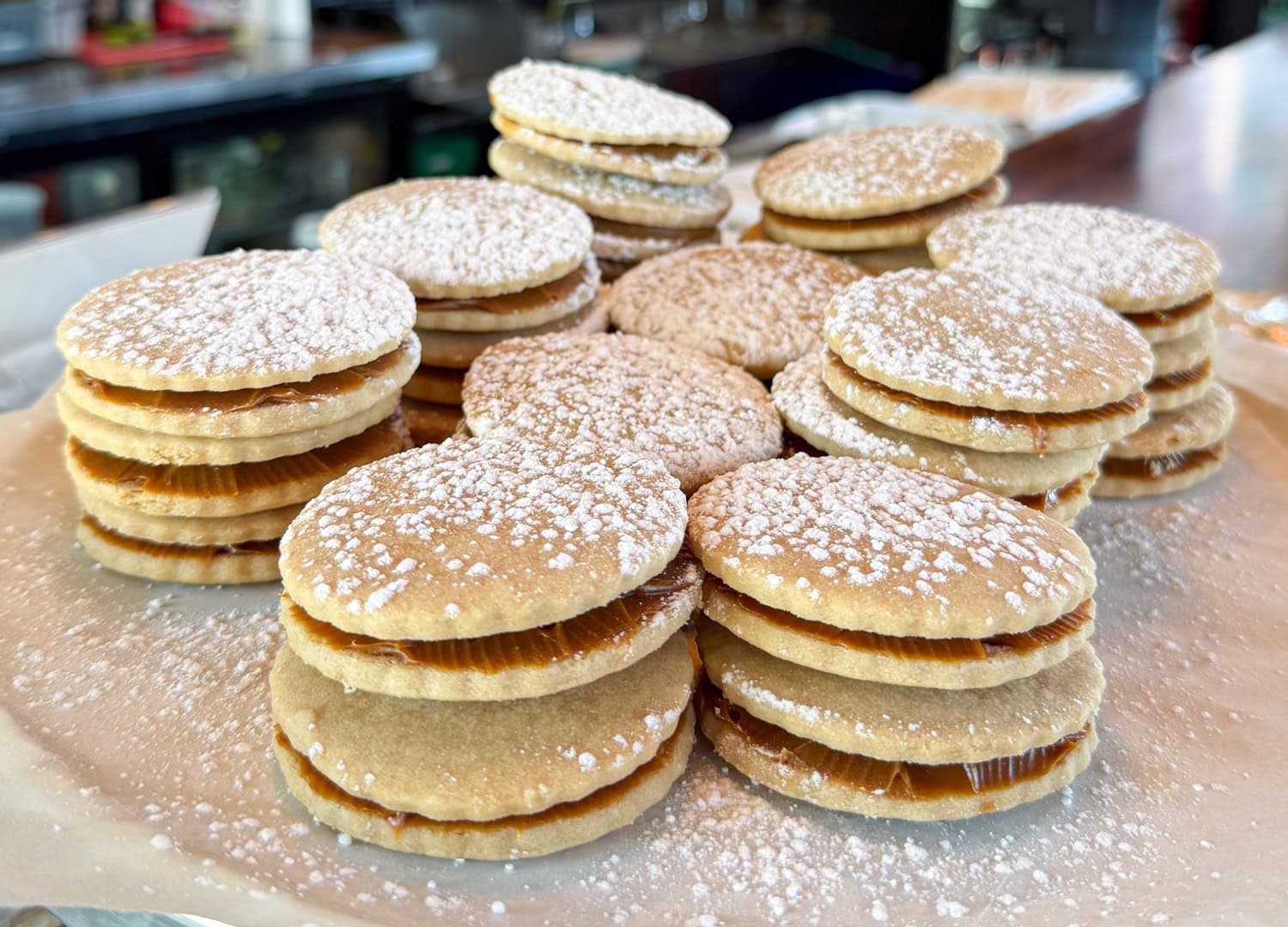
Peruvian alfajores have a distinctive style. These delicate sandwich cookies are made with buttery shortbread and filled with manjar blanco, the creamy caramel spread you'll find in many Peruvian desserts. They're usually dusted with powdered sugar and are great with a cup of tea or coffee.
Walk into any bakery in Peru, and you'll spot alfajores lined up in the pastry case-they're one of the country's most popular sweet treats.
Frejol Colado
One of the most unusual traditional desserts in Peru is frejol colado, a sweet pudding made from black beans.
Originating in southern coastal regions such as Cañete and Chincha, the dessert blends strained and puréed beans with milk, sugar, spices, and sesame seeds. The result is a thick, dark pudding with a flavor somewhat reminiscent of molasses.
Frejol colado reflects the Afro-Peruvian gastronomic tradition that has shaped much of the cuisine along Peru's southern coast.
Ranfañote
Ranfañote is another historic Lima dessert from the colonial era. This rustic sweet is made from pieces of bread soaked in chancaca syrup, then flavored with cheese, nuts, and spices.
Although it's less common in modern restaurants, ranfañote still appears during festivals and traditional celebrations. It's a great example of how early Peruvian desserts turned basic ingredients into rich, satisfying dishes.
The Sweet Side of Peruvian Cuisine
Trying traditional Peruvian desserts has shown me a new side of a cuisine that's already famous for its seafood and savory dishes.
Many of these sweets are deeply rooted in Peru's history and regional traditions, while others trace their origins to colonial kitchens. Together, they reflect the cultural diversity and regional flavors that make Peruvian food so compelling.
While you can easily find desserts like suspiro a la limeña or picarones in Lima, others are still tied to specific regions, making them a special find when you travel.
For travelers, that's part of the fun. Just as the savory dishes that define Peru's cuisine tell a story about the country's history, geography, and culinary traditions, so too do the desserts.